Ever wondered how top tech teams ship code lightning-fast and reliably? The secret often lies in Azure DevOps—a powerhouse platform that blends development, operations, and automation into one seamless experience. Let’s dive into why it’s a game-changer.
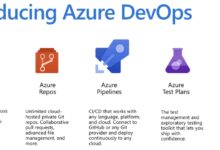
What Is Azure DevOps and Why It Matters

Azure DevOps is Microsoft’s comprehensive suite designed to support the entire software development lifecycle. From planning and coding to testing, deployment, and monitoring, it provides a unified platform for teams to collaborate efficiently. Whether you’re a startup or an enterprise, Azure DevOps scales with your needs while promoting agility, transparency, and speed.
Core Components of Azure DevOps
The platform isn’t a single tool but a collection of integrated services that work together to streamline development workflows. These include Azure Boards for project management, Azure Repos for source control, Azure Pipelines for CI/CD, Azure Test Plans for quality assurance, and Azure Artifacts for package management. Each component can be used independently or as part of a full DevOps pipeline.
- Azure Boards: Agile planning with backlogs, sprints, and dashboards
- Azure Repos: Git repositories or TFVC for version control
- Azure Pipelines: Automated builds and deployments across platforms
Together, these tools eliminate silos between development and operations, enabling faster delivery cycles and higher software quality. According to Microsoft’s official documentation, organizations using Azure DevOps report up to a 40% reduction in time-to-market. Learn more about Azure DevOps on Microsoft’s official site.
How Azure DevOps Fits Into Modern DevOps Culture
DevOps isn’t just about tools—it’s a cultural shift emphasizing collaboration, automation, measurement, and sharing (the CAMS model). Azure DevOps supports this culture by providing visibility into every stage of development. Teams can track work items, monitor pipeline performance, and receive instant feedback through integrated testing and deployment reports.
“DevOps is not a goal, but a never-ending process of continual improvement.” – Jez Humble, co-author of Continuous Delivery
By embedding practices like continuous integration and continuous delivery (CI/CD), infrastructure as code (IaC), and automated testing, Azure DevOps helps teams adopt DevOps principles in a structured, measurable way.
Azure DevOps vs. Competitors: A Strategic Comparison
While several platforms offer DevOps capabilities, Azure DevOps stands out due to its deep integration with Microsoft’s ecosystem, cloud-native support for Azure, and flexibility for multi-cloud and on-premises environments. Let’s compare it with key competitors like GitHub Actions, Jenkins, and GitLab CI/CD.
Azure DevOps vs. GitHub Actions
GitHub Actions and Azure DevOps share many features, especially since Microsoft owns both. However, GitHub Actions is tightly coupled with GitHub repositories, making it ideal for open-source or GitHub-centric teams. Azure DevOps, on the other hand, supports multiple source control systems (including GitHub, GitLab, and Bitbucket) and offers more robust project management tools like Azure Boards.
- GitHub Actions excels in simplicity and community-driven actions
- Azure DevOps provides end-to-end lifecycle management with enterprise-grade scalability
For teams already using Microsoft tools like Visual Studio, Azure, or Office 365, Azure DevOps offers a more cohesive experience. Explore GitHub Actions to see how it compares.
Azure DevOps vs. Jenkins
Jenkins remains a popular open-source automation server, especially for teams with complex, custom pipelines. However, it requires significant setup, maintenance, and plugin management. Azure DevOps, being a managed service, reduces operational overhead with built-in scalability, security, and monitoring.
- Jenkins offers maximum customization but demands DevOps expertise
- Azure DevOps provides a low-code/no-code pipeline editor and YAML-based configurations for flexibility
For organizations seeking faster onboarding and reduced maintenance, Azure DevOps is often the preferred choice.
Azure DevOps vs. GitLab CI/CD
GitLab is a strong contender with its all-in-one DevOps platform, including source control, CI/CD, monitoring, and security. However, Azure DevOps differentiates itself with superior integration into the Microsoft ecosystem and hybrid cloud support. GitLab shines in open-source transparency, while Azure DevOps excels in enterprise governance and compliance.
“The best tool isn’t the one with the most features, but the one that aligns with your team’s workflow and culture.”
Ultimately, the choice depends on your tech stack, team size, and strategic goals. For Microsoft-centric environments, Azure DevOps often provides a smoother, more integrated experience.
Setting Up Your First Azure DevOps Project
Getting started with Azure DevOps is straightforward, even for beginners. Whether you’re managing a small app or a large microservices architecture, the setup process is intuitive and well-documented.
Creating an Azure DevOps Organization
The first step is creating an Azure DevOps organization, which acts as a container for your projects. Visit Azure DevOps Services and sign in with your Microsoft account. You can then create a new organization, choose a name, and select a region for data residency.
- Each organization can host multiple projects
- You can invite team members via email and assign roles (e.g., Stakeholder, Contributor)
Organizations are free for up to five users, with paid tiers available for larger teams and advanced features.
Creating and Configuring a Project
Once your organization is set up, create a new project. You can choose between Agile, Scrum, or CMMI process templates, depending on your team’s methodology. You’ll also decide whether to use Git or TFVC for version control—Git is recommended for most modern workflows.
- Enable features like boards, repos, pipelines, and test plans during setup
- Customize work item types and dashboards to match your workflow
After project creation, you can immediately start importing code, creating backlogs, or setting up pipelines.
Mastering Azure Repos: Version Control Done Right
Azure Repos is the backbone of source control in Azure DevOps. It supports both Git and Team Foundation Version Control (TFVC), though Git is the preferred option for distributed, modern development teams.
Why Choose Git Over TFVC?
Git is a distributed version control system, meaning every developer has a full copy of the repository. This enables offline work, faster branching, and better collaboration. TFVC, in contrast, is a centralized system that works well for linear development and strict compliance needs but lacks the flexibility of Git.
- Git supports branching strategies like Git Flow and GitHub Flow
- TFVC uses a checkout-edit-checkin model, suitable for regulated environments
For most teams, Git offers superior speed, flexibility, and integration with modern DevOps practices.
Branching Strategies and Pull Requests
Effective branching is crucial for maintaining code quality and enabling parallel development. Azure Repos supports pull requests (PRs) with mandatory code reviews, automated builds, and status checks.
- Use feature branches for new development
- Implement pull request policies to enforce code quality
- Leverage branch permissions to protect main branches
For example, you can configure a policy that requires at least one reviewer and a successful build before merging into the main branch. This ensures that only tested, reviewed code enters production.
“A pull request is not just a code merge—it’s a conversation about quality.”
By integrating automated testing and static code analysis into PRs, teams can catch bugs early and maintain high standards.
Azure Pipelines: Automating CI/CD with Precision
Azure Pipelines is arguably the most powerful component of Azure DevOps, enabling continuous integration and continuous delivery (CI/CD) across multiple platforms and clouds.
Building Your First CI Pipeline
A CI pipeline automatically builds and tests your code every time a change is pushed to the repository. In Azure DevOps, you can create pipelines using a visual editor or YAML configuration files.
- YAML pipelines are version-controlled and reusable across projects
- Classic pipelines use a GUI but are less flexible
To create a YAML pipeline, define a azure-pipelines.yml file in your repo. It specifies triggers, jobs, steps, and agents. For example:
trigger:
  - main

pool:
  vmImage: 'ubuntu-latest'

steps:
- script: echo Hello, World!
  displayName: 'Run a one-line script'
This simple pipeline triggers on changes to the main branch and runs on a Linux agent. You can expand it to include build, test, and publish tasks.
Setting Up CD for Seamless Deployments
Continuous delivery (CD) extends CI by automatically deploying code to staging or production environments. Azure Pipelines supports deployment jobs with approval gates, environment-specific variables, and rollback capabilities.
- Define environments like Dev, QA, and Production in Azure DevOps
- Use deployment approvals to require manual sign-off before production releases
- Integrate with Azure App Service, Kubernetes, or VMs for deployment targets
For instance, you can set up a multi-stage pipeline that deploys to staging after CI, runs automated UI tests, and then waits for approval before deploying to production. This ensures safety and traceability.
“Automation is not about replacing humans—it’s about empowering them to focus on value-added work.”
With Azure Pipelines, teams can reduce deployment risks and increase release frequency.
Azure Boards: Agile Project Management at Scale
Azure Boards brings agile project management into the DevOps workflow, allowing teams to plan, track, and discuss work across the entire lifecycle.
Using Backlogs and Sprints Effectively
Backlogs in Azure Boards let you organize user stories, bugs, and tasks. You can prioritize items, assign them to team members, and track progress using drag-and-drop interfaces. Sprints allow you to plan work in time-boxed iterations, typically 1-4 weeks long.
- Create epics for large features and break them into user stories
- Use task boards to visualize daily progress
- Generate velocity charts to forecast future capacity
Integration with Azure Pipelines means work items automatically update when code is committed or deployed, providing real-time traceability.
Customizing Workflows and Dashboards
Every team works differently. Azure Boards allows you to customize work item types, states, and rules to match your process. You can also create custom dashboards with widgets showing build status, test results, or burndown charts.
- Add custom fields for compliance or audit tracking
- Use query-based dashboards to monitor specific metrics
- Share dashboards with stakeholders for transparency
This level of customization makes Azure Boards suitable for both agile startups and regulated enterprises.
Azure Test Plans and Artifacts: Ensuring Quality and Reusability
High-quality software requires robust testing and dependency management. Azure DevOps addresses both through Azure Test Plans and Azure Artifacts.
Manual and Exploratory Testing with Azure Test Plans
Azure Test Plans supports manual test case management, exploratory testing, and feedback collection from stakeholders. You can create test suites, assign test cases to team members, and track execution results.
- Record exploratory testing sessions with screenshots and logs
- Integrate with automated tests for end-to-end coverage
- Generate test reports for compliance audits
While automated testing is ideal for regression, manual testing remains essential for usability and edge cases.
Managing Dependencies with Azure Artifacts
Azure Artifacts allows teams to create and share NuGet, npm, Maven, and Python packages. It acts as a private feed for your organization, ensuring secure and reliable access to dependencies.
- Host internal libraries and SDKs
- Upstream public feeds like npmjs.org for caching
- Control access with Azure AD integration
By centralizing package management, Azure Artifacts reduces dependency conflicts and improves build consistency.
Security, Governance, and Compliance in Azure DevOps
In enterprise environments, security and compliance are non-negotiable. Azure DevOps provides robust features to meet regulatory requirements and protect sensitive data.
Role-Based Access Control (RBAC) and Permissions
Azure DevOps uses Azure AD for identity management and supports fine-grained permissions at the organization, project, and resource levels. You can assign built-in roles like Project Administrator, Build Operator, or Reader, or create custom roles.
- Restrict pipeline editing to specific users
- Enable audit logs to track changes
- Use service connections securely for external systems
These controls help enforce the principle of least privilege and support compliance with standards like ISO 27001 and SOC 2.
Audit Logs and Data Residency
Azure DevOps maintains detailed audit logs of user activities, including work item changes, pipeline runs, and permission updates. These logs are crucial for forensic analysis and compliance reporting.
- Logs are retained for up to 180 days
- Data residency options allow you to choose geographic regions for data storage
- Support for GDPR, HIPAA, and other regulations
For highly regulated industries, these features provide the transparency and control needed to pass audits.
What is Azure DevOps used for?
Azure DevOps is used to manage the entire software development lifecycle, including project planning, source control, continuous integration and delivery (CI/CD), testing, and package management. It helps teams collaborate more effectively and deliver software faster and more reliably.
Is Azure DevOps free to use?
Azure DevOps offers a free tier for small teams (up to five users), with unlimited private repositories and basic features. Paid plans are available for larger teams and advanced capabilities like parallel jobs and premium test plans.
Can Azure DevOps work with GitHub?
Yes, Azure DevOps can connect to GitHub repositories and trigger pipelines when code is pushed. You can also use GitHub Actions within Azure DevOps projects, enabling hybrid workflows.
How does Azure Pipelines support multi-cloud deployments?
Azure Pipelines supports deployment to any cloud or on-premises environment via agents. You can deploy to AWS, Google Cloud, Kubernetes clusters, or VMs using scripts, CLI tools, or Terraform, making it truly cloud-agnostic.
What makes Azure DevOps different from Jenkins?
Unlike Jenkins, which requires self-hosting and plugin management, Azure DevOps is a fully managed service with built-in scalability, security, and integration. It reduces operational overhead while offering enterprise-grade features out of the box.
Azure DevOps is more than just a tool—it’s a complete ecosystem for modern software delivery. From agile planning with Azure Boards to automated CI/CD with Azure Pipelines, it empowers teams to build, test, and deploy software with speed and confidence. Its integration with Microsoft’s cloud and enterprise tools makes it a strategic choice for organizations already in the Microsoft ecosystem. Whether you’re a developer, tester, or operations engineer, mastering Azure DevOps can significantly enhance your productivity and impact. As DevOps continues to evolve, platforms like Azure DevOps will remain at the forefront of innovation, helping teams deliver value faster and more securely.
Further Reading:
