Logging into the Azure portal might seem straightforward, but millions of users face hurdles every day — from forgotten passwords to multi-factor authentication errors. In this comprehensive guide, we’ll walk you through everything you need to know about the azure portal log in process, troubleshooting tips, security best practices, and much more.




Understanding the Azure Portal Log In Process

The azure portal log in is your gateway to managing Microsoft Azure services, from virtual machines to cloud storage and AI tools. Whether you’re an IT administrator, developer, or business owner, accessing the portal securely and efficiently is critical. The login process begins at portal.azure.com, where users authenticate using their Microsoft or work/school account.
What Is the Azure Portal?
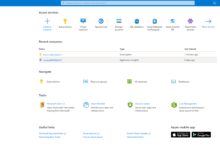
The Azure portal is a web-based interface that allows users to manage all aspects of their Azure cloud environment. It provides dashboards, monitoring tools, deployment wizards, and access to hundreds of cloud services. Think of it as the control center for your entire Azure ecosystem.
- Centralized management of cloud resources
- Real-time monitoring and analytics
- Integration with other Microsoft 365 and DevOps tools
Why Secure Azure Portal Log In Matters
Because the azure portal log in grants access to critical infrastructure, a compromised account can lead to data breaches, service outages, or unauthorized spending. According to Microsoft, over 99.9% of compromised accounts lack multi-factor authentication (MFA). This makes securing your login credentials not just advisable — it’s essential.
“The Azure portal is the front door to your cloud. If that door isn’t locked, everything behind it is at risk.” — Microsoft Security Team
Step-by-Step Guide to Azure Portal Log In
Successfully completing the azure portal log in process requires attention to detail and the right credentials. Below is a detailed walkthrough to ensure you can access your account without issues.
Step 1: Navigate to the Official Azure Portal
Always start by visiting the official Microsoft Azure portal at https://portal.azure.com. Avoid third-party links or search engine ads, which may lead to phishing sites designed to steal your credentials.
- Bookmark the official URL for future use
- Check the SSL certificate (padlock icon) in your browser
- Ensure the domain is exactly portal.azure.com
Step 2: Enter Your Credentials
On the login screen, enter your email address associated with your Azure subscription. This could be a Microsoft account (e.g., @outlook.com, @hotmail.com) or a work/school account (e.g., user@company.com).
- Double-check for typos in your email
- Use an email linked to an active Azure subscription
- If you have multiple accounts, select the correct one from the dropdown
Step 3: Complete Authentication
After entering your password, you may be prompted for additional verification if MFA is enabled. This could include:
- Approving a notification via the Microsoft Authenticator app
- Entering a code sent via SMS or email
- Using a hardware security key
Once authenticated, you’ll be redirected to the Azure dashboard.
Common Issues During Azure Portal Log In and How to Fix Them
Even experienced users encounter problems during the azure portal log in process. Let’s explore the most frequent issues and their solutions.
Forgot Password or Locked Account
If you’ve forgotten your password or your account is locked due to multiple failed attempts, follow these steps:
- Click “Forgot password?” on the login screen
- Verify your identity using a recovery email or phone number
- Reset your password and log in again
For organizational accounts, contact your Azure AD administrator to reset the password or unlock the account.
Multi-Factor Authentication (MFA) Failures
MFA is a security feature, but it can cause login delays. Common MFA issues include:
- Not receiving the verification code
- Authenticator app not syncing
- Device lost or replaced
To resolve MFA issues:
- Ensure your phone has internet or cellular service
- Check the time sync on your device (critical for TOTP codes)
- Use backup methods like app passwords or alternate verification options
Microsoft recommends registering at least two MFA methods for redundancy.
Browser Compatibility and Cache Issues
Sometimes, the problem isn’t with your credentials but with your browser. Outdated browsers or corrupted cache can block the azure portal log in.
- Use supported browsers: Chrome, Edge, Firefox, or Safari
- Clear cookies and cache before logging in
- Try an incognito or private browsing window
- Disable browser extensions that may interfere with login scripts
If issues persist, try accessing the portal from a different device or network.
Security Best Practices for Azure Portal Log In
Securing your azure portal log in is not a one-time task — it’s an ongoing process. Implementing strong security practices protects your data, applications, and financial resources.
Enable Multi-Factor Authentication (MFA)
MFA adds an extra layer of security by requiring a second form of verification. Even if someone steals your password, they can’t access your account without the second factor.
- Enforce MFA for all users, especially administrators
- Use the Microsoft Authenticator app for push notifications
- Avoid SMS-based MFA when possible (vulnerable to SIM swapping)
Learn more about setting up MFA at Microsoft’s MFA documentation.
Use Conditional Access Policies
Conditional Access in Azure AD allows you to control when and how users can log in based on specific conditions like location, device compliance, or risk level.
- Block logins from high-risk countries
- Require compliant devices for access
- Enforce MFA for sensitive operations
These policies help prevent unauthorized access even if credentials are compromised.
Monitor Sign-In Logs and Alerts
Azure provides detailed sign-in logs that show every login attempt, including failed ones. Regularly review these logs to detect suspicious activity.
- Navigate to Azure AD > Monitoring > Sign-in logs
- Filter by user, IP address, or status (success/failure)
- Set up alerts for unusual login patterns (e.g., logins at odd hours)
Tools like Azure Monitor and Microsoft Defender for Cloud can automate threat detection.
Managing Multiple Azure Subscriptions During Log In
Many users manage more than one Azure subscription, whether for different projects, departments, or clients. Understanding how to navigate between them after the azure portal log in is crucial.
Switching Between Subscriptions
After logging in, you can switch subscriptions using the directory + subscription selector in the top-right corner of the portal.
- Click your profile icon
- Select “Switch directory” or “Change subscription”
- Choose the desired subscription from the list
You must have at least Reader access to a subscription to see it in the list.
Understanding Role-Based Access Control (RBAC)
RBAC determines what you can do in each subscription. Common roles include:
- Owner: Full access, including billing and role assignment
- Contributor: Can create and manage resources but not assign roles
- Reader: Can view resources but not make changes
Ensure your account has the appropriate role in each subscription you need to access.
Using Azure Lighthouse for Cross-Tenant Management
Azure Lighthouse allows service providers to manage multiple customer environments from a single portal. This is ideal for MSPs or IT consultants.
- Delegate access from customer tenants to your management tenant
- View and manage resources across clients without switching accounts
- Apply consistent policies and monitoring
Learn more at Azure Lighthouse official docs.
Alternative Methods for Azure Portal Access
The standard azure portal log in isn’t the only way to access Azure. Microsoft offers several alternative methods for different use cases.
Azure CLI and PowerShell
For automation and scripting, use Azure CLI or PowerShell to log in programmatically.
- Run
az loginin the terminal for CLI - Use
Connect-AzAccountin PowerShell - Supports service principals and managed identities for headless logins
These tools are essential for DevOps workflows and CI/CD pipelines.
Single Sign-On (SSO) Integration
Organizations using identity providers like Okta, PingIdentity, or Azure AD can enable SSO for seamless access.
- Users log in once to their corporate identity provider
- Automatic redirection to Azure portal without re-entering credentials
- Centralized control over access and session timeouts
SSO improves user experience and strengthens security by reducing password fatigue.
Using Guest Accounts and B2B Collaboration
Azure supports B2B collaboration, allowing external users to access your portal securely.
- Invite users from other organizations via email
- They log in using their own organizational credentials
- Access is governed by RBAC and Conditional Access policies
This is ideal for joint projects, vendors, or consultants.
Optimizing the Azure Portal Log In Experience
Once you’ve mastered the basics of azure portal log in, you can optimize your experience for speed, efficiency, and usability.
Customize Your Dashboard
The Azure portal dashboard is fully customizable. Pin frequently used resources, charts, and shortcuts.
- Add tiles for VMs, databases, or cost analysis
- Organize tiles into custom groups
- Save and share dashboards with team members
A well-organized dashboard reduces navigation time after login.
Use Azure Cloud Shell
Azure Cloud Shell is a browser-based command line accessible directly from the portal.
- No installation required — runs in your browser
- Persistent storage via Azure File Share
- Supports Bash and PowerShell
Access it by clicking the >_ icon in the top toolbar after your azure portal log in.
Leverage Browser Extensions and Tools
Several browser extensions can enhance your Azure experience.
- Microsoft Azure Extensions for Chrome: Adds quick links and resource search
- Dark mode toggle for reduced eye strain
- Password managers that auto-fill login fields securely
Always ensure extensions are from trusted publishers to avoid security risks.
Future Trends in Azure Portal Authentication
The way we perform azure portal log in is evolving. Microsoft is investing heavily in passwordless and AI-driven security.
Passwordless Authentication
Microsoft is pushing toward a passwordless future using:
- Windows Hello
- FIDO2 security keys
- Microsoft Authenticator app (biometric verification)
These methods are more secure and user-friendly than traditional passwords.
AI-Powered Identity Protection
Azure AD Identity Protection uses machine learning to detect risky sign-ins and automate responses.
- Flags logins from unfamiliar locations or devices
- Can automatically block or require MFA for suspicious attempts
- Provides risk-based Conditional Access policies
This proactive approach stops threats before they cause damage.
Zero Trust Architecture Integration
Microsoft promotes a Zero Trust model: “Never trust, always verify.”
- Every login request is validated, regardless of network location
- Device health and user behavior are continuously assessed
- Access is granted on a least-privilege basis
Implementing Zero Trust strengthens your overall security posture beyond just the azure portal log in.
How do I reset my Azure portal password?
If you’ve forgotten your password, click “Forgot password?” on the login screen. Follow the prompts to verify your identity via email, phone, or security questions, then create a new password. For work accounts, contact your Azure AD administrator for assistance.
Why can’t I log in to the Azure portal?
Common reasons include incorrect credentials, disabled MFA, browser issues, or account lockout. Try clearing your cache, using a different browser, or resetting your password. Check if your account is active and has a valid subscription.
Is the Azure portal login secure?
Yes, the Azure portal login is secure when best practices are followed, such as enabling MFA, using strong passwords, and monitoring sign-in activity. Microsoft employs enterprise-grade encryption and threat detection to protect user accounts.
Can I access Azure without a browser?
Yes, you can use Azure CLI, PowerShell, or mobile apps to manage Azure resources without using the web portal. These tools support authentication via tokens, service principals, and managed identities.
What should I do if MFA isn’t working?
If MFA fails, try using a backup method like a different device or app password. Ensure your authenticator app is synced and your phone has connectivity. If locked out, contact your administrator to reset MFA settings.
Mastering the azure portal log in process is essential for anyone using Microsoft Azure. From the initial login steps to advanced security configurations, this guide has covered everything you need to access your cloud environment safely and efficiently. By following best practices like enabling MFA, monitoring sign-ins, and staying updated on new authentication trends, you can ensure a seamless and secure experience every time you log in. Whether you’re a beginner or an expert, continuous learning and proactive security are key to maximizing Azure’s potential.
Recommended for you 👇
Further Reading: