Welcome to the ultimate guide on the Azure Portal—a dynamic, feature-rich gateway to Microsoft’s cloud ecosystem. Whether you’re a beginner or a seasoned pro, mastering this platform can transform how you manage cloud resources with ease, precision, and confidence.




What Is the Azure Portal and Why It Matters

The Azure Portal is Microsoft’s web-based interface for managing cloud services, resources, and subscriptions within the Azure ecosystem. It serves as a centralized dashboard where users can deploy, configure, monitor, and secure cloud infrastructure without needing deep command-line expertise. Its intuitive design makes it accessible for developers, IT administrators, and business decision-makers alike.
Definition and Core Purpose
The Azure Portal, officially known as the Azure Management Portal, is a unified console that allows users to interact with Azure services through a graphical user interface (GUI). It simplifies complex cloud operations by offering visual tools for provisioning virtual machines, configuring networks, managing databases, and monitoring performance in real time.
Unlike command-line tools like Azure CLI or PowerShell, the Azure Portal provides immediate visual feedback, making it ideal for users who prefer point-and-click navigation over scripting. It’s also the go-to platform for onboarding new teams into Azure environments due to its low learning curve.
Evolution from Azure Classic to Modern Portal
The Azure Portal has undergone significant transformation since its inception. Originally launched as ‘Azure Classic Portal’ in 2010, it was limited in functionality and scalability. In 2015, Microsoft introduced the modern Azure Portal, built on a more robust architecture using HTML5, JavaScript, and REST APIs.
- The classic portal lacked role-based access control (RBAC) and resource grouping.
- The new portal introduced Resource Manager (ARM) templates, enabling infrastructure-as-code practices.
- Performance improvements allowed faster loading and real-time updates across global data centers.
“The modern Azure Portal isn’t just a UI—it’s a strategic tool for cloud governance, cost management, and operational agility.” — Microsoft Cloud Architect, 2023
How Azure Portal Compares to Other Cloud Dashboards
When compared to AWS Management Console or Google Cloud Console, the Azure Portal stands out for its seamless integration with Microsoft products like Active Directory, Office 365, and Dynamics 365. This tight ecosystem integration is a key advantage for enterprises already invested in Microsoft technologies.
Additionally, Azure Portal offers superior hybrid cloud capabilities through services like Azure Arc and Azure Stack, allowing organizations to manage on-premises, edge, and multi-cloud environments from a single pane of glass.
Navigating the Azure Portal Interface Like a Pro
Mastering the layout and navigation of the Azure Portal is the first step toward efficient cloud management. The interface is designed for usability, but its depth can be overwhelming for newcomers. Understanding its core components helps streamline workflows and reduce operational friction.
Dashboard and Home Screen Overview
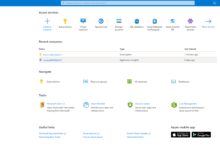
Upon logging in, users land on the customizable dashboard, which acts as a personalized control center. You can pin frequently used resources, create multiple dashboards for different teams, and embed live metrics such as CPU usage, network traffic, or billing alerts.
Each tile on the dashboard represents a widget that displays real-time data. For example, a VM health widget might show uptime, disk I/O, and memory consumption. These widgets are draggable and resizable, giving users full control over their workspace.
Understanding the Left Navigation Menu (Hub)
The left-hand navigation menu—often called the ‘Hub’—is the backbone of the Azure Portal. It organizes services into logical categories:
- Home: Returns to the default dashboard.
- Resource groups: Enables grouping of related resources for easier management.
- Subscriptions: Manages billing, quotas, and access policies.
- Cost Management + Billing: Tracks spending and optimizes cloud costs.
- Help + Support: Provides access to documentation, support tickets, and service health.
Users can collapse or expand this menu, and administrators can customize visibility based on user roles using Azure Policy.
Using Search, Filters, and Quick Find Tools
The global search bar at the top of the Azure Portal is one of its most powerful features. It allows instant access to any service, resource, or setting by typing keywords like ‘virtual network’ or ‘storage account’.
Beyond basic search, the portal supports advanced filtering:
- Filter resources by tag, region, or status.
- Use ‘Quick Find’ shortcuts (Ctrl+Q) for rapid navigation.
- Save frequent searches as favorites for one-click access.
This reduces time spent navigating menus and increases productivity, especially in large-scale deployments with hundreds of resources.
Core Features of the Azure Portal Every User Should Know
The Azure Portal isn’t just a dashboard—it’s a feature-packed platform that empowers users to build, secure, and scale cloud environments efficiently. Let’s explore the essential tools and functionalities that make it indispensable.
Resource Management with Azure Resource Manager (ARM)
Azure Resource Manager (ARM) is the deployment and management engine behind the Azure Portal. It enables users to manage resources as a group, rather than individually, using declarative templates.
With ARM, you can:
- Deploy entire application stacks using JSON-based templates.
- Apply consistent policies across environments via Azure Policy.
- Enable role-based access control (RBAC) at the resource group level.
This model promotes repeatability, reduces configuration drift, and supports DevOps practices like CI/CD pipelines.
Monitoring and Diagnostics with Azure Monitor
One of the standout capabilities of the Azure Portal is its integrated monitoring suite. Azure Monitor collects telemetry from applications, virtual machines, and network devices, providing deep insights into system performance and health.
Key features include:
- Live Metrics Stream for real-time application monitoring.
- Log Analytics workspace for querying and visualizing logs.
- Alert rules that trigger notifications via email, SMS, or webhooks.
From the Azure Portal, you can create custom dashboards showing KPIs like response time, error rates, and database latency—critical for maintaining service level agreements (SLAs).
Security and Identity Management via Azure AD Integration
Security is baked into the Azure Portal through tight integration with Azure Active Directory (Azure AD). This allows centralized identity management, multi-factor authentication (MFA), and conditional access policies.
Administrators can:
- Assign granular permissions using RBAC roles like Contributor, Reader, or Owner.
- Enforce MFA for sensitive operations.
- Review sign-in logs and detect anomalies with Azure AD Identity Protection.
This integration ensures that only authorized users can access critical resources, reducing the risk of data breaches.
How to Set Up and Customize Your Azure Portal Experience
Personalization is a key strength of the Azure Portal. By tailoring the interface to your workflow, you can boost efficiency and reduce cognitive load when managing complex cloud environments.
Creating and Managing Custom Dashboards
Custom dashboards allow users to create role-specific views. For example, a database administrator might build a dashboard focused on SQL Database performance, while a network engineer might prioritize virtual network gateways and firewall logs.
To create a custom dashboard:
- Navigate to the Dashboards section in the portal.
- Click New Dashboard and choose a layout.
- Pull widgets from various services (e.g., App Services, VMs, Storage).
- Arrange and resize tiles for optimal readability.
- Share the dashboard with team members or save it as a template.
These dashboards can be exported and imported across subscriptions, making them ideal for standardized operations.
Using Themes, Layouts, and Accessibility Options
The Azure Portal supports dark and light themes, catering to user preference and reducing eye strain during long sessions. You can switch themes under User Settings > Appearance.
Accessibility features include:
- Screen reader compatibility (tested with JAWS and NVDA).
- Keyboard navigation support (Tab, Arrow keys, Enter).
- High contrast mode for visually impaired users.
Microsoft continues to improve accessibility in line with WCAG 2.1 standards, ensuring inclusivity for all users.
Saving and Sharing Views with Teams
Collaboration is enhanced through shared views and saved filters. For instance, a DevOps team can save a filtered view of all production resources tagged with Environment=Prod, then share it via link or email.
Shared views maintain context, including applied filters, time ranges, and selected metrics. This eliminates confusion and ensures everyone works from the same data set.
Managing Resources and Subscriptions in the Azure Portal
Effective resource and subscription management is crucial for maintaining order, controlling costs, and enforcing compliance. The Azure Portal provides comprehensive tools to organize, track, and govern cloud assets at scale.
Organizing Resources with Resource Groups
Resource groups are logical containers that hold related resources for an Azure solution. They enable lifecycle management—meaning you can deploy, update, or delete all resources in a group together.
Best practices include:
- Group resources by environment (Dev, Test, Prod).
- Use naming conventions like
rg-prod-web-eusfor clarity. - Apply tags for cost tracking, ownership, and automation.
Deleting a resource group removes all its resources, so caution is advised—especially in production.
Managing Multiple Subscriptions and Tenants
Enterprises often operate across multiple Azure subscriptions and tenants. The Azure Portal allows seamless switching between them using the subscription filter at the top of the screen.
Key capabilities:
- Consolidate billing across subscriptions with Enterprise Agreements.
- Delegate administrative access using Management Groups.
- Enforce governance policies across tenants with Azure Lighthouse.
This multi-tenant support is vital for managed service providers (MSPs) and large organizations with decentralized IT teams.
Applying Tags and Policies for Governance
Tags and policies are foundational to cloud governance. Tags are key-value pairs (e.g., Department: Finance, Project: Phoenix) used for classification and cost allocation.
Azure Policy, on the other hand, enforces organizational standards. Examples include:
- Require all VMs to use managed disks.
- Deny public IP addresses in specific regions.
- Ensure all storage accounts have encryption enabled.
These policies are evaluated in real time, and non-compliant resources are flagged in the portal for remediation.
Cost Optimization and Billing Insights via Azure Portal
Cloud spending can spiral out of control without proper oversight. The Azure Portal equips users with powerful tools to monitor, analyze, and optimize costs—ensuring maximum ROI from cloud investments.
Using Cost Management + Billing Dashboard
The Cost Management + Billing dashboard provides a holistic view of spending across subscriptions, resource groups, and services.
Features include:
- Daily and monthly cost trends with forecasting.
- Breakdown by service (e.g., Compute, Storage, Networking).
- Export reports to CSV or connect to Power BI for advanced analytics.
You can also set up budget alerts to notify stakeholders when spending exceeds predefined thresholds.
Identifying Idle and Underutilized Resources
One of the biggest sources of waste in cloud environments is idle or underutilized resources. The Azure Portal helps identify these through:
- Advisor Recommendations: AI-driven suggestions for resizing or shutting down underused VMs.
- Metrics Explorer: Analyze CPU, memory, and disk usage over time.
- Reserved Instance Planner: Evaluate savings from committing to 1- or 3-year terms.
For example, a VM running at 5% CPU utilization for weeks may be a candidate for downsizing or automation-based shutdown during off-hours.
Setting Budgets and Alerts for Cost Control
Proactive cost control starts with budgeting. In the Azure Portal, you can create budgets at the subscription or resource group level.
When configuring a budget:
- Define a monthly amount (e.g., $500).
- Set alert thresholds (e.g., 80%, 100%, 120%).
- Specify recipients via email or Azure Action Groups.
These alerts empower teams to take corrective action before overspending occurs.
Advanced Tools and Integrations in the Azure Portal
Beyond basic management, the Azure Portal integrates with advanced tools that extend its functionality for developers, security teams, and operations engineers.
Using Cloud Shell for Scripting and Automation
Azure Cloud Shell is a browser-based command-line environment accessible directly from the portal. It supports both Bash and PowerShell and comes pre-installed with tools like Azure CLI, Terraform, and kubectl.
Benefits include:
- No local setup required—runs in the cloud with persistent storage.
- Direct access to your Azure resources for scripting.
- Integration with VS Code via
code .command for editing files.
Cloud Shell is ideal for automating repetitive tasks, such as deploying ARM templates or scaling VMs based on demand.
Deploying Applications with Azure DevOps and GitHub Integration
The Azure Portal integrates seamlessly with CI/CD platforms like Azure DevOps and GitHub Actions. From the portal, you can:
- Deploy web apps directly from a GitHub repository.
- Configure continuous deployment with build pipelines.
- Monitor deployment history and rollback if needed.
This integration accelerates software delivery and supports modern DevOps practices.
Leveraging AI-Powered Insights with Azure Advisor
Azure Advisor is an intelligent agent that analyzes your Azure usage and provides personalized recommendations for performance, security, reliability, and cost.
Example recommendations:
- “Enable backup for your VMs to improve reliability.”
- “Upgrade to a premium SSD for better disk performance.”
- “Consolidate multiple small VMs into a single larger instance to save costs.”
Each recommendation includes an estimated monthly savings and a one-click fix option, making optimization effortless.
Best Practices for Secure and Efficient Azure Portal Usage
To get the most out of the Azure Portal while minimizing risks, follow these industry-proven best practices.
Implementing Role-Based Access Control (RBAC)
Rather than granting broad permissions, assign roles based on job function. Common built-in roles include:
- Reader: View resources but cannot make changes.
- Contributor: Create and manage resources but cannot grant access.
- Owner: Full control, including access management.
For finer control, create custom roles tailored to specific workflows.
Enabling Multi-Factor Authentication (MFA)
MFA adds an extra layer of security by requiring a second form of verification (e.g., phone call, app notification, or token) during login. It’s essential for protecting administrative accounts.
To enable MFA:
- Go to Azure AD > Users > Multi-Factor Authentication.
- Select users and enable MFA.
- Enforce it via Conditional Access policies for high-risk scenarios.
Regularly Auditing Activity Logs and Security Center
Azure Activity Log tracks all control-plane operations (e.g., who created a VM, when a policy was changed). It integrates with Azure Monitor and can be streamed to Log Analytics or Event Hubs for long-term retention.
Pair this with Microsoft Defender for Cloud (formerly Azure Security Center), which provides threat detection, vulnerability assessment, and security posture management.
Regular audits help detect suspicious activity and ensure compliance with standards like ISO 27001 or HIPAA.
What is the Azure Portal?
The Azure Portal is Microsoft’s web-based interface for managing cloud resources on Azure. It provides a graphical dashboard to deploy, monitor, and manage services like virtual machines, storage, and networks.
How do I access the Azure Portal?
You can access the Azure Portal by visiting portal.azure.com and signing in with your Microsoft or Azure AD account credentials.
Is the Azure Portal free to use?
Yes, the Azure Portal interface itself is free. However, the cloud resources you create and manage through it (like VMs or storage) incur costs based on usage.
Can I manage multiple Azure subscriptions from one portal?
Absolutely. The Azure Portal allows you to switch between multiple subscriptions and manage them from a single interface, making it ideal for enterprises and MSPs.
What is the difference between Azure Portal and Azure CLI?
The Azure Portal is a GUI-based tool for visual management, while Azure CLI is a command-line interface for scripting and automation. Both can perform similar tasks, but the portal is more user-friendly for beginners.
In conclusion, the Azure Portal is far more than just a management console—it’s a powerful, intelligent, and secure gateway to the full potential of Microsoft Azure. From intuitive navigation and robust monitoring to cost control and AI-driven optimization, mastering its features empowers individuals and organizations to operate efficiently in the cloud. By leveraging its customization, security, and integration capabilities, you can build scalable, compliant, and high-performing cloud environments. Whether you’re just starting out or looking to refine your expertise, the Azure Portal remains an essential tool in the modern IT toolkit.
Recommended for you 👇
Further Reading: