Ever wondered what makes Azure Standard a game-changer in cloud computing? It’s not just about storage or servers—it’s about scalability, security, and smart solutions that power modern businesses. Let’s dive into why this cloud standard matters more than ever.




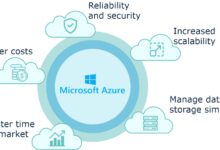

What Is Azure Standard and Why It Matters

The term azure standard refers to a set of predefined configurations, service tiers, and performance benchmarks within Microsoft Azure’s cloud ecosystem. These standards help organizations choose the right mix of compute, storage, networking, and security resources based on predictable workloads and budget constraints. Unlike premium tiers, Azure Standard offerings balance cost-efficiency with reliable performance, making them ideal for startups, mid-sized companies, and departments within large enterprises.
Defining the Azure Standard Tier
The Azure Standard tier is part of Microsoft’s broader service classification system, which includes Basic, Standard, and Premium levels across various services like Virtual Machines (VMs), Blob Storage, and App Services. The azure standard level typically offers higher availability, better performance, and more features than the Basic tier, while remaining more affordable than Premium.
- Standard-tier VMs come with guaranteed CPU performance and scalable memory.
- Standard Blob Storage supports frequent access patterns and geo-redundancy.
- Standard App Service plans include auto-scaling and custom domains.
These features make the azure standard a go-to choice for production environments that need reliability without breaking the bank.
How Azure Standard Differs from Other Tiers
Understanding the differences between service tiers is crucial for optimizing cloud spending. While the Basic tier is suitable for development and testing, it lacks features like load balancing and auto-scaling. On the other hand, Premium tiers offer ultra-low latency and high-throughput capabilities—ideal for mission-critical applications—but at a significantly higher cost.
“Choosing the right Azure tier isn’t just about performance—it’s about aligning technology with business goals.” — Microsoft Azure Architecture Center
The azure standard strikes a balance, offering enterprise-grade features at a manageable price point. For example, Standard SSDs provide consistent IOPS (Input/Output Operations Per Second) suitable for web servers and small databases, whereas Premium SSDs are designed for high-performance transactional systems.
Key Features of Azure Standard Services
Azure Standard isn’t a single product—it’s a classification applied across multiple services. Each service under the azure standard umbrella delivers specific capabilities tailored to real-world business needs. Let’s explore some of the most widely used Standard-tier services and their core features.
Azure Virtual Machines (Standard Tier)
Azure Virtual Machines in the Standard tier are among the most popular compute options. They offer a wide range of VM sizes, from general-purpose (D-series) to memory-optimized (E-series) and compute-intensive (F-series) instances.
- Support for Windows and Linux operating systems.
- Integration with Azure Backup and Site Recovery.
- Availability Sets and Zones for high availability.
These VMs are perfect for hosting enterprise applications, development environments, and even small-scale SAP workloads. According to Microsoft’s official documentation, Standard VMs provide SLA-backed uptime of 99.9%, ensuring reliability for production use.
Azure Blob Storage (Standard)
Storage is a cornerstone of any cloud strategy, and Azure Blob Storage in the Standard tier is designed for frequently accessed data. Whether you’re storing images, videos, logs, or backups, Standard Blob Storage offers durability, scalability, and fast retrieval times.
- Geo-redundant storage (GRS) for disaster recovery.
- Support for lifecycle management policies.
- Integration with Azure Content Delivery Network (CDN).
One of the key advantages of Standard Blob Storage is its cost model. You pay only for the storage you use, with no upfront fees. This makes it ideal for startups and growing businesses. Learn more at Azure Blob Storage Documentation.
Azure App Service (Standard Plan)
The Azure App Service Standard plan is a powerful platform-as-a-service (PaaS) offering for hosting web apps, APIs, and mobile backends. It eliminates the need to manage underlying infrastructure, allowing developers to focus on code.
- Auto-scaling based on traffic demand.
- Custom SSL certificates and domain binding.
- Integrated DevOps tools like GitHub Actions and Azure DevOps.
Compared to the Free and Basic tiers, the azure standard App Service plan supports staging slots, enabling safe deployment testing before going live. This feature alone makes it a favorite among DevOps teams.
Performance and Scalability of Azure Standard
One of the biggest concerns when choosing a cloud service tier is whether it can scale with your business. The azure standard tier is engineered for dynamic workloads, offering both vertical and horizontal scaling options.
Auto-Scaling Capabilities
Auto-scaling is a hallmark of the azure standard experience. Whether you’re running VMs, App Services, or Kubernetes clusters, Azure allows you to define rules that automatically add or remove instances based on CPU usage, memory consumption, or network traffic.
- Scale out during peak hours (e.g., Black Friday sales).
- Scale in during off-peak times to reduce costs.
- Use predictive scaling with Azure Machine Learning integration.
This flexibility ensures that applications remain responsive without over-provisioning resources. For example, an e-commerce site using the azure standard App Service plan can handle 10x traffic spikes during promotions without manual intervention.
Network Performance and Latency
Network performance is critical for user experience, especially for global applications. Azure Standard services benefit from Microsoft’s global network infrastructure, which includes over 60 regions and a private backbone connecting data centers.
- Low-latency connections within regions.
- Content delivery via Azure CDN (included in Standard plans).
- DDoS protection and traffic routing with Azure Front Door.
According to Azure’s global infrastructure page, this network reduces latency by up to 40% compared to public internet routes. This is a major advantage for businesses serving customers across continents.
Cost Efficiency and Pricing Models
Cost is often the deciding factor when selecting a cloud provider or service tier. The azure standard tier is designed to deliver maximum value without compromising on essential features.
Pay-as-You-Go vs. Reserved Instances
Azure offers multiple pricing models for Standard-tier services. The most common is Pay-as-You-Go, where you pay only for what you use. However, for predictable workloads, Reserved Instances (RIs) can save up to 72% over three years.
- Pay-as-You-Go: Ideal for variable or short-term workloads.
- Reserved Instances: Best for steady-state applications like databases.
- Spot VMs: For non-critical tasks, offering up to 90% discount.
For example, a company running a Standard D4s v3 VM continuously can save over $3,000 annually by purchasing a 3-year reservation. More details are available at Azure Pricing Page.
Total Cost of Ownership (TCO) Analysis
When comparing on-premises infrastructure to Azure Standard services, the TCO often favors the cloud. You eliminate costs related to hardware procurement, data center maintenance, power, cooling, and IT staffing.
- No upfront capital expenditure (CapEx).
- Reduced operational costs (OpEx).
- Faster time-to-market for new applications.
“Organizations migrating to Azure Standard report an average 40% reduction in IT infrastructure costs within the first year.” — Microsoft Customer Success Stories
This makes the azure standard not just a technical choice, but a strategic financial decision.
Security and Compliance in Azure Standard
Security is non-negotiable in today’s digital landscape. The azure standard tier inherits Microsoft’s enterprise-grade security framework, ensuring data protection, identity management, and regulatory compliance.
Built-in Security Features
Azure Standard services come with robust security controls out of the box. These include network security groups (NSGs), Azure Firewall, and integration with Azure Active Directory (AAD) for identity management.
- Encryption at rest and in transit.
- Role-Based Access Control (RBAC) for granular permissions.
- Threat detection with Microsoft Defender for Cloud.
For instance, Standard-tier VMs can be protected with Microsoft Defender’s endpoint protection, which monitors for malware, unauthorized access, and configuration drift.
Compliance Certifications
Microsoft Azure holds more compliance certifications than any other cloud provider, including ISO 27001, HIPAA, GDPR, and SOC 1/2/3. These apply to all service tiers, including azure standard.
- GDPR compliance for handling EU citizen data.
- HIPAA support for healthcare applications.
- Audit logs and compliance reports via Azure Security Center.
This makes Azure Standard a trusted choice for regulated industries like finance, healthcare, and government. Explore compliance details at Microsoft Compliance Documentation.
Use Cases and Real-World Applications
The azure standard tier isn’t just theoretical—it’s being used by thousands of organizations worldwide to solve real business challenges.
E-Commerce Platforms
Online retailers use Azure Standard App Services and VMs to host their storefronts, manage inventory, and process payments. During high-traffic events like holiday sales, auto-scaling ensures the site stays online.
- Scalable web frontends with Azure App Service.
- Database hosting with Azure SQL Database (Standard tier).
- Secure payment processing via Azure API Management.
A well-known example is Contoso, a retail chain that migrated to Azure Standard and reduced page load times by 60%.
Healthcare Data Management
Healthcare providers leverage Azure Standard Blob Storage to store patient records, medical images, and telehealth session data. With HIPAA compliance and encryption, data remains secure and accessible.
- Secure storage of DICOM images in Standard Blob containers.
- Integration with FHIR APIs for interoperability.
- Disaster recovery via geo-redundant storage.
This enables clinics and hospitals to focus on patient care rather than IT maintenance.
DevOps and CI/CD Pipelines
Development teams use Azure Standard VMs and App Services to build, test, and deploy applications. The integration with GitHub, Azure DevOps, and Jenkins streamlines the software delivery process.
- Staging environments for safe testing.
- Automated builds and deployments.
- Monitoring with Azure Monitor and Application Insights.
By using the azure standard tier, teams achieve faster release cycles without overspending on infrastructure.
Migrating to Azure Standard: Best Practices
Migrating existing workloads to the azure standard tier requires careful planning. A poorly executed migration can lead to downtime, data loss, or cost overruns.
Assessment and Planning
Before migration, assess your current infrastructure using tools like Azure Migrate. This tool analyzes on-premises servers, databases, and applications to recommend the right Azure Standard configurations.
- Discover and inventory existing workloads.
- Estimate performance and cost in Azure.
- Identify dependencies between systems.
This ensures a smooth transition and helps avoid over-provisioning. Learn more at Azure Migrate Documentation.
Data Migration Strategies
Moving data to Azure Standard storage requires a strategy that minimizes downtime. Options include online migration (over the internet), offline migration (using Azure Data Box), and hybrid approaches.
- Use Azure Data Factory for ETL (Extract, Transform, Load) workflows.
- Leverage Azure Site Recovery for VM replication.
- Test data integrity post-migration.
For large datasets, offline migration with Azure Data Box can be faster and more cost-effective than uploading over the internet.
Post-Migration Optimization
After migration, continuously monitor performance and costs using Azure Cost Management and Azure Monitor. Optimize by resizing VMs, enabling auto-scaling, and applying tagging for cost allocation.
- Right-size VMs based on actual usage.
- Enable alerts for cost thresholds.
- Use tags to track spending by department or project.
This ensures long-term efficiency and prevents budget overruns.
Future Trends and Innovations in Azure Standard
The cloud landscape is evolving rapidly, and Microsoft is continuously enhancing the azure standard tier to meet emerging demands.
AI and Machine Learning Integration
Azure is embedding AI capabilities into Standard-tier services. For example, Azure App Service now supports AI-powered anomaly detection, and Azure VMs can run lightweight ML models for predictive maintenance.
- Integration with Azure Machine Learning Studio.
- Pre-built AI models for text, image, and speech analysis.
- AutoML for non-data scientists.
This democratizes AI, allowing even small teams to leverage intelligent automation.
Edge Computing and Hybrid Cloud
As IoT and edge computing grow, Azure Standard services are being extended to the edge via Azure Stack HCI and Azure Arc. This allows organizations to run Standard-tier workloads on-premises or in remote locations while maintaining cloud management.
- Consistent operations across cloud and edge.
- Real-time data processing at the source.
- Centralized monitoring and updates.
This hybrid approach is ideal for manufacturing, retail, and logistics industries.
Sustainability and Green Cloud Initiatives
Microsoft is committed to sustainability, aiming for carbon-negative operations by 2030. The azure standard tier benefits from energy-efficient data centers powered by renewable energy.
- Carbon-aware scheduling for workloads.
- Energy-efficient hardware and cooling systems.
- Transparency via Azure Sustainability Calculator.
By choosing Azure Standard, businesses contribute to a greener planet while reducing their environmental footprint.
What is the difference between Azure Standard and Premium tiers?
The main difference lies in performance, availability, and cost. Azure Standard offers reliable performance and high availability at a lower price, suitable for most production workloads. Premium tiers provide ultra-fast SSDs, higher IOPS, and lower latency, ideal for mission-critical applications with strict SLAs.
Can I upgrade from Azure Standard to Premium later?
Yes, Azure allows seamless upgrades from Standard to Premium tiers for most services. For example, you can upgrade a Standard SSD disk to Premium with minimal downtime. This flexibility makes Azure Standard a future-proof choice.
Is Azure Standard compliant with GDPR and HIPAA?
Yes, Azure Standard services are covered under Microsoft’s comprehensive compliance portfolio, including GDPR, HIPAA, ISO 27001, and SOC 2. You can enable compliance controls through the Azure portal and Security Center.
How do I estimate costs for Azure Standard services?
You can use the Azure Pricing Calculator to estimate costs based on your workload. Input your VM size, storage needs, and data transfer to get a detailed cost breakdown. Additionally, Azure Cost Management helps monitor and optimize spending in real time.
What tools can help me migrate to Azure Standard?
Azure Migrate, Azure Site Recovery, and Azure Data Box are key tools for migration. Azure Migrate assesses your environment, Site Recovery replicates VMs, and Data Box handles large-scale offline data transfers.
The azure standard tier is more than just a service level—it’s a strategic enabler for modern businesses. From cost efficiency and scalability to security and compliance, it offers a balanced, reliable foundation for cloud adoption. Whether you’re launching a new app, migrating legacy systems, or scaling an existing platform, Azure Standard provides the tools and flexibility needed to succeed. As Microsoft continues to innovate, the future of Azure Standard looks brighter than ever, integrating AI, edge computing, and sustainability into a cohesive, powerful ecosystem. Now is the time to explore how Azure Standard can transform your organization.
Further Reading: