Ever wondered what lies behind the buzzword ‘Azure’? Let’s demystify ‘azure what is’ in the most engaging, accurate, and practical way possible—no jargon overload, just real value.




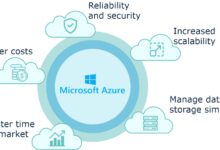

Azure What Is: A Foundational Understanding

When people ask ‘azure what is’, they’re often stepping into the vast world of cloud computing for the first time. Microsoft Azure is a cloud computing platform launched by Microsoft in 2010, designed to build, deploy, and manage applications through a global network of data centers. It competes directly with Amazon Web Services (AWS) and Google Cloud Platform (GCP), offering over 200 services ranging from computing and analytics to networking and storage.
Origins and Evolution of Azure
Azure began as ‘Windows Azure’ in 2010, primarily focused on application hosting. Over the years, it evolved into a full-fledged cloud ecosystem. By 2014, Microsoft rebranded it to ‘Microsoft Azure’ to reflect its broader capabilities beyond Windows-based services. Today, Azure supports multiple operating systems, programming languages, and frameworks—both Microsoft and open-source.
- Launched as Windows Azure in February 2010
- Rebranded to Microsoft Azure in 2014
- Now serves over 140 countries with 60+ data center regions
The platform’s growth mirrors the global shift toward digital transformation. According to Microsoft, Azure powers more than 95% of Fortune 500 companies, making it a cornerstone of enterprise IT strategy (Microsoft Azure Official Site).
Core Components of Azure
To truly grasp ‘azure what is’, you need to understand its building blocks. Azure’s architecture is modular, allowing users to pick and choose services based on their needs. Key components include:
- Compute: Virtual machines, containers, serverless functions
- Storage: Blob, file, disk, and data lake storage
- Networking: Virtual networks, load balancers, DNS
- Security: Identity management, threat detection, encryption
- AI & Machine Learning: Cognitive services, Azure ML Studio
These components work together seamlessly, enabling businesses to scale rapidly without investing in physical infrastructure.
“Azure is not just a cloud platform; it’s a catalyst for innovation.” — Satya Nadella, CEO of Microsoft
Azure What Is: How It Compares to Competitors
Understanding ‘azure what is’ also means seeing how it stacks up against rivals like AWS and Google Cloud. While all three offer similar core services, differences in pricing, integration, and ecosystem matter significantly.
azure what is – Azure what is menjadi aspek penting yang dibahas di sini.
Azure vs AWS: The Cloud Giants
Amazon Web Services (AWS) was first to market and remains the leader in market share. However, Azure has been closing the gap, especially in enterprise environments. One of Azure’s biggest advantages is its deep integration with Microsoft products like Windows Server, Active Directory, and Office 365. For organizations already using Microsoft tools, migrating to Azure is often smoother and more cost-effective.
AWS, on the other hand, offers a broader range of services and more granular control, appealing to tech-first startups and developers. But Azure’s hybrid capabilities—allowing seamless operation between on-premises and cloud environments—give it an edge in regulated industries like finance and healthcare.
- Azure excels in hybrid cloud scenarios
- AWS leads in service variety and global reach
- Azure integrates better with existing Microsoft ecosystems
According to Synergy Research Group, as of 2023, AWS holds about 32% of the market, Azure around 23%, and Google Cloud about 10%. This shows Azure’s strong second-place position with consistent growth (Synergy Research).
Azure vs Google Cloud: Focus and Flexibility
Google Cloud Platform (GCP) is known for its strengths in data analytics, machine learning, and Kubernetes-based container orchestration. While GCP is powerful, it has a smaller enterprise footprint compared to Azure. Azure counters this with superior enterprise support, compliance certifications, and a broader partner network.
For example, Azure offers more than 70 compliance offerings, including GDPR, HIPAA, and ISO standards—critical for multinational corporations. Google Cloud, while compliant, doesn’t match Azure’s depth in regulatory support.
Additionally, Azure’s pricing model is often more predictable for large enterprises, especially those with existing Microsoft Enterprise Agreements (EAs), which can include Azure credits.
Azure What Is: Key Services and Capabilities
Now that we’ve covered the basics and comparisons, let’s dive deeper into what makes Azure tick. The platform offers a wide array of services that cater to different technical and business needs.
azure what is – Azure what is menjadi aspek penting yang dibahas di sini.
Compute Services: Powering Applications
Azure’s compute services are the backbone of its platform. These include:
- Virtual Machines (VMs): Flexible, scalable servers in the cloud
- Azure App Service: Fully managed platform for web apps
- Azure Functions: Serverless computing for event-driven tasks
- Azure Kubernetes Service (AKS): Managed Kubernetes for containerized apps
For instance, Azure VMs allow you to run Windows or Linux environments with customizable CPU, memory, and storage. This flexibility makes it ideal for legacy application migration or development/testing environments.
Azure Functions, meanwhile, enable developers to run small pieces of code without managing infrastructure—perfect for microservices architectures.
Storage and Data Management
Data is the lifeblood of modern applications, and Azure provides robust solutions for storing and managing it. Key offerings include:
- Azure Blob Storage: For unstructured data like images, videos, and backups
- Azure Files: Cloud-based file shares accessible via SMB or NFS
- Azure Disk Storage: High-performance block storage for VMs
- Azure Data Lake: Scalable storage for big data analytics
These services support redundancy (locally redundant, geo-redundant), encryption at rest and in transit, and integration with analytics tools like Azure Synapse Analytics.
For example, a media company might use Blob Storage to host millions of video files, while a financial institution could use Data Lake to process terabytes of transaction logs for fraud detection.
Networking and Connectivity
Azure’s networking capabilities ensure secure and efficient communication between resources. Key services include:
azure what is – Azure what is menjadi aspek penting yang dibahas di sini.
- Virtual Network (VNet): Isolated network space in Azure
- Azure Load Balancer: Distributes traffic across multiple servers
- Azure DNS: Host domain names in the cloud
- Azure ExpressRoute: Private connection from on-premises to Azure
ExpressRoute is particularly valuable for enterprises needing high-bandwidth, low-latency connections without going over the public internet. This is crucial for real-time applications like video conferencing or financial trading systems.
Additionally, Azure Firewall provides stateful protection for virtual networks, filtering traffic based on rules and threat intelligence.
Azure What Is: Security and Compliance Features
Security is a top concern for any organization moving to the cloud. Azure addresses this with a multi-layered approach that includes identity management, threat detection, and compliance tools.
Identity and Access Management with Azure AD
Azure Active Directory (Azure AD) is Microsoft’s cloud-based identity and access management service. It enables single sign-on (SSO), multi-factor authentication (MFA), and conditional access policies.
For example, a company can enforce MFA for employees accessing sensitive data from outside the corporate network. Azure AD also integrates with thousands of SaaS applications, making it easier to manage user access across platforms.
It’s important to note that Azure AD is not the same as on-premises Active Directory, though they can be synchronized using Azure AD Connect.
- Supports over 2.5 million identities per directory
- Offers identity protection with risk-based policies
- Integrates with Microsoft 365, Salesforce, and other apps
According to Microsoft, Azure AD protects over 1.4 billion users worldwide, making it one of the most widely used identity platforms (Azure AD Documentation).
azure what is – Azure what is menjadi aspek penting yang dibahas di sini.
Threat Detection and Security Center
Azure Security Center provides unified security management and advanced threat protection across hybrid cloud workloads. It continuously monitors your environment for vulnerabilities and suspicious activities.
For instance, if a virtual machine is running an outdated version of software, Security Center will flag it and recommend updates. It also uses machine learning to detect anomalies, such as unusual login attempts or data exfiltration patterns.
Security Center integrates with Microsoft Defender for Cloud, offering enhanced capabilities like container security, SQL protection, and regulatory compliance dashboards.
“Security is not a product, but a process. Azure makes that process smarter.” — Microsoft Security Blog
Compliance and Governance
Azure meets more compliance standards than any other cloud provider, including:
- GDPR (General Data Protection Regulation)
- HIPAA (Health Insurance Portability and Accountability Act)
- ISO/IEC 27001, 27017, 27018
- SOC 1, SOC 2, SOC 3
- PCI DSS (Payment Card Industry Data Security Standard)
This makes Azure a preferred choice for industries with strict regulatory requirements. Azure Policy allows administrators to enforce organizational standards by defining rules that govern resource configuration. For example, you can create a policy that blocks the creation of public storage accounts to prevent data leaks.
The Azure Compliance Manager tool helps organizations assess their compliance posture and generate audit reports, streamlining the certification process.
Azure What Is: AI, Machine Learning, and Innovation
One of Azure’s most exciting aspects is its leadership in artificial intelligence and machine learning. The platform democratizes access to advanced AI tools, even for non-experts.
azure what is – Azure what is menjadi aspek penting yang dibahas di sini.
Azure Cognitive Services
Azure Cognitive Services are pre-built APIs that enable developers to add AI capabilities to applications without deep expertise. These include:
- Computer Vision: Analyze images for objects, text, and faces
- Speech Services: Convert speech to text and vice versa
- Language Understanding (LUIS): Build conversational AI for chatbots
- Translator Text: Real-time language translation
For example, a customer service app can use Speech Services to transcribe calls and LUIS to understand customer intent, routing queries to the right agent automatically.
These services are used by companies like BMW, which leverages Azure AI for voice-controlled in-car assistants, and Rolls-Royce, which uses computer vision to inspect jet engine parts.
Azure Machine Learning Studio
Azure Machine Learning is a cloud-based environment for training, deploying, and managing machine learning models. It supports both code-first (Python, R) and drag-and-drop (Designer) interfaces.
Data scientists can use it to build predictive models—for example, forecasting sales, detecting fraud, or personalizing recommendations. The platform includes automated ML (AutoML), which tests multiple algorithms to find the best-performing model.
Integration with Azure Databricks and Synapse Analytics allows for large-scale data processing, making it suitable for enterprise AI projects.
Organizations like Johnson & Johnson use Azure ML to accelerate drug discovery by analyzing vast datasets from clinical trials.
azure what is – Azure what is menjadi aspek penting yang dibahas di sini.
AI for Accessibility and Sustainability
Microsoft has committed to using AI for social good. Azure powers initiatives like:
- AI for Accessibility: Tools for people with disabilities, such as Seeing AI (describes surroundings for the visually impaired)
- AI for Earth: Environmental monitoring using satellite imagery and climate modeling
- AI for Humanitarian Action: Disaster response and refugee support systems
These programs demonstrate that ‘azure what is’ goes beyond technology—it’s also about impact.
Azure What Is: Hybrid and Multi-Cloud Strategies
Not all organizations can move entirely to the cloud. Azure’s hybrid and multi-cloud capabilities make it a flexible choice for businesses with complex IT landscapes.
Azure Arc: Extending Cloud Management
Azure Arc allows you to manage servers, Kubernetes clusters, and data services across on-premises, edge, and multi-cloud environments—all from the Azure portal.
For example, a bank might use Azure Arc to apply consistent security policies across its on-premises data centers and AWS-hosted applications. This unified control plane simplifies governance and reduces operational overhead.
Arc supports infrastructure from VMware, AWS, Google Cloud, and even Linux and Windows servers not in Azure.
- Enables consistent policy enforcement
- Centralizes monitoring and logging
- Supports GitOps workflows for automation
According to Microsoft, Azure Arc helps reduce management complexity by up to 40% in hybrid environments.
azure what is – Azure what is menjadi aspek penting yang dibahas di sini.
Azure Stack: Bringing Azure On-Premises
Azure Stack is a family of products that brings Azure services into on-premises data centers. It includes:
- Azure Stack Hub: For data centers needing full Azure services
- Azure Stack Edge: AI-enabled edge devices with cloud storage
- Azure Stack HCI: Hyper-converged infrastructure for virtualization
This is ideal for industries like manufacturing or defense, where data sovereignty or low-latency processing is critical. For instance, a factory can use Azure Stack Edge to run real-time quality control AI models on the production floor without sending data to the cloud.
Azure Stack ensures that developers can build applications once and deploy them anywhere—cloud or on-premises—using the same APIs and tools.
Multi-Cloud Integration
While Azure is a powerful platform, many enterprises adopt a multi-cloud strategy to avoid vendor lock-in and optimize costs. Azure supports this through partnerships and interoperability tools.
For example, Azure works with AWS via the Azure VMware Solution, allowing seamless migration of VMware workloads. It also integrates with Google Cloud through Anthos on Azure, enabling Kubernetes workloads to run across clouds.
Additionally, Azure’s open-source commitment—supporting Linux, Kubernetes, and Terraform—makes it easier to integrate with non-Microsoft ecosystems.
Azure What Is: Pricing, Cost Management, and Total Value
Understanding ‘azure what is’ wouldn’t be complete without discussing cost. Azure uses a pay-as-you-go model, but costs can spiral without proper management.
azure what is – Azure what is menjadi aspek penting yang dibahas di sini.
Pricing Models and Tiers
Azure offers several pricing options:
- Pay-as-you-go: Pay only for what you use
- Reserved Instances: Up to 72% savings for 1-3 year commitments
- Spot Instances: Use unused capacity at up to 90% discount (ideal for non-critical workloads)
- Free Tier: Includes $200 credit for new users and free access to certain services for 12 months
For example, a startup might start with pay-as-you-go, then move to reserved instances as usage stabilizes to reduce costs.
Azure also offers a pricing calculator to estimate monthly expenses based on resource selection (Azure Pricing Calculator).
Cost Management Tools
Azure Cost Management + Billing helps organizations track, analyze, and optimize spending. Features include:
- Real-time cost dashboards
- Budget alerts and forecasts
- Recommendations for cost savings (e.g., shutting down idle VMs)
- Integration with Power BI for custom reporting
For instance, a company might set a budget alert to receive an email when spending exceeds $10,000 in a month, preventing unexpected bills.
The tool also supports chargeback models, allowing departments to be billed for their cloud usage—promoting accountability.
Total Cost of Ownership (TCO) vs On-Premises
While cloud services have operational costs, they often reduce the total cost of ownership compared to on-premises infrastructure. Azure eliminates the need for:
azure what is – Azure what is menjadi aspek penting yang dibahas di sini.
- Physical server purchases
- Data center space and cooling
- On-site IT staff for hardware maintenance
- Upfront capital expenditures
A TCO analysis by Microsoft shows that organizations can save up to 60% over five years by migrating to Azure, especially when factoring in scalability and reduced downtime (Azure TCO Calculator).
Azure What Is: Real-World Use Cases and Success Stories
The true test of any technology is how it performs in the real world. Let’s look at how organizations are using Azure to solve real problems.
Healthcare: Philips and Remote Patient Monitoring
Philips uses Azure to power its remote patient monitoring systems. By collecting data from medical devices in real time, Azure processes and analyzes vital signs, alerting healthcare providers to potential issues.
This has improved patient outcomes and reduced hospital readmissions. Azure’s HIPAA compliance ensures that sensitive health data is protected.
Retail: ASOS and Scalable E-Commerce
ASOS, a global fashion retailer, migrated its e-commerce platform to Azure to handle traffic spikes during sales events. Using Azure App Service and Traffic Manager, ASOS can scale automatically to serve millions of customers without downtime.
The result? A 30% improvement in site performance and the ability to launch new features faster.
Manufacturing: BMW and Predictive Maintenance
BMW uses Azure IoT Hub and Machine Learning to predict equipment failures in its factories. Sensors on production lines send data to Azure, where models analyze patterns and flag anomalies.
azure what is – Azure what is menjadi aspek penting yang dibahas di sini.
This has reduced unplanned downtime by 20%, saving millions in maintenance costs.
What is Azure commonly used for?
Azure is commonly used for hosting web applications, running virtual machines, storing data, building AI models, managing identity, and enabling hybrid cloud environments. It’s widely adopted in enterprise IT, healthcare, finance, and government sectors.
Is Azure free to use?
Azure offers a free tier with $200 credit for new users and access to many services for 12 months. After that, you pay only for what you use. Some services remain free at limited capacity.
How does Azure ensure data security?
Azure ensures data security through encryption (at rest and in transit), identity management with Azure AD, threat detection via Microsoft Defender for Cloud, and compliance with global standards like GDPR and HIPAA.
azure what is – Azure what is menjadi aspek penting yang dibahas di sini.
Can Azure be used for machine learning?
Yes, Azure provides Azure Machine Learning Studio, Cognitive Services, and integration with open-source frameworks like TensorFlow and PyTorch, making it a powerful platform for AI and ML projects.
What industries benefit most from Azure?
Industries that benefit most from Azure include healthcare (due to HIPAA compliance), finance (for security and hybrid cloud), government (sovereign cloud options), and retail (scalability during peak seasons).
In summary, ‘azure what is’ is more than just a cloud platform—it’s a comprehensive ecosystem enabling innovation, security, and scalability. From startups to Fortune 500 companies, Azure empowers organizations to build the future. Whether you’re exploring AI, securing data, or managing hybrid infrastructure, Azure offers the tools and reliability to succeed. The key is understanding its capabilities and applying them strategically to your unique needs.
azure what is – Azure what is menjadi aspek penting yang dibahas di sini.
Further Reading: