MS Azure is transforming how businesses operate in the digital era. With unmatched scalability, global reach, and enterprise-grade security, it’s no wonder millions trust this cloud platform to power their future.




What Is MS Azure and Why It Matters

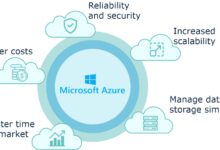
Microsoft Azure, commonly referred to as MS Azure, is a comprehensive cloud computing platform developed by Microsoft. Launched in 2010, it has rapidly evolved into one of the world’s leading cloud service providers, second only to Amazon Web Services (AWS) in market share. But what exactly makes MS Azure so pivotal in today’s technology landscape?
At its core, MS Azure offers a vast array of services including computing, analytics, storage, networking, and more—all delivered through Microsoft’s global network of data centers. Whether you’re a startup looking to scale quickly or an enterprise managing complex IT infrastructure, MS Azure provides the tools and flexibility to meet your needs.
One of the key differentiators of MS Azure is its deep integration with other Microsoft products such as Windows Server, Active Directory, Office 365, and Dynamics 365. This seamless interoperability makes migration and management significantly easier for organizations already invested in the Microsoft ecosystem.
Core Services Offered by MS Azure
MS Azure isn’t just about virtual machines or storage; it’s a full-stack cloud platform offering over 200 services. These can be broadly categorized into compute, storage, networking, databases, AI & machine learning, IoT, and security.
- Compute: Includes Virtual Machines (VMs), Azure Kubernetes Service (AKS), and serverless computing via Azure Functions.
- Storage: Offers Blob, File, Queue, and Table storage with options for hot, cool, and archive tiers.
- Networking: Features Virtual Network, Load Balancer, Application Gateway, and Azure DNS for robust connectivity.
These services are designed to work together, enabling developers and IT professionals to build, deploy, and manage applications across a global network efficiently.
Global Infrastructure and Data Center Reach
One of MS Azure’s most impressive features is its global footprint. As of 2024, Microsoft operates in over 60 regions worldwide, making it one of the most geographically distributed cloud platforms available. This extensive reach ensures low latency, high availability, and compliance with local data sovereignty laws.
Each region consists of one or more data centers connected through high-speed private fiber networks. This redundancy enhances reliability and allows for disaster recovery and business continuity planning. For example, if a data center in Europe goes offline, traffic can be rerouted to another region within seconds.
“Microsoft Azure powers 95% of Fortune 500 companies, showcasing its dominance in enterprise cloud adoption.” — Microsoft Official Report, 2023
MS Azure vs. AWS vs. Google Cloud: A Comparative Analysis
When discussing cloud platforms, the big three—MS Azure, Amazon Web Services (AWS), and Google Cloud Platform (GCP)—are often compared. While all three offer robust cloud capabilities, each has unique strengths that cater to different organizational needs.
AWS leads in market share and offers the most mature ecosystem with a vast array of services. However, MS Azure excels in hybrid cloud solutions and enterprise integration, particularly for companies using Microsoft products. Google Cloud, on the other hand, stands out in data analytics, AI, and machine learning capabilities.
Market Share and Enterprise Adoption
According to Synergy Research Group (2024), AWS holds approximately 32% of the global cloud infrastructure market, followed by MS Azure at 23%, and Google Cloud at 11%. While AWS remains the leader, MS Azure is growing at a faster rate, especially in regulated industries like finance, healthcare, and government.
This growth is largely driven by Microsoft’s strong relationships with enterprise clients and its hybrid cloud strategy. Many large organizations prefer MS Azure because it allows them to extend their on-premises environments into the cloud without overhauling existing systems.
Hybrid Cloud Capabilities of MS Azure
MS Azure’s hybrid cloud offering is arguably its strongest competitive advantage. Through services like Azure Arc, Azure Stack, and Azure Hybrid Benefit, businesses can manage both on-premises and cloud resources from a single control plane.
- Azure Arc: Enables governance and management of servers, Kubernetes clusters, and data services across environments—on-premises, multi-cloud, or edge.
- Azure Stack: Brings Azure services into on-premises data centers, allowing consistent development and operations.
- Azure Hybrid Benefit: Lets customers use existing Windows Server and SQL Server licenses on Azure VMs, reducing costs by up to 82%.
This hybrid approach is particularly valuable for industries with strict regulatory requirements or legacy systems that cannot be fully migrated to the public cloud.
Security and Compliance in MS Azure
Security is a top concern for any organization moving to the cloud, and MS Azure addresses this with a multi-layered, defense-in-depth strategy. From physical data center security to advanced threat protection, MS Azure provides comprehensive safeguards.
Microsoft invests over $1 billion annually in cybersecurity research and development and employs more than 3,500 security experts. This commitment translates into industry-leading security features such as Azure Security Center, Azure Sentinel, and Microsoft Defender for Cloud.
Built-In Security Features
MS Azure comes equipped with a suite of native security tools designed to protect data, applications, and infrastructure:
- Azure Security Center: Provides unified security management and advanced threat protection across hybrid cloud workloads.
- Azure Sentinel: A cloud-native SIEM (Security Information and Event Management) solution that uses AI to detect, investigate, and respond to threats.
- Microsoft Defender for Cloud: Offers continuous security monitoring, vulnerability assessment, and automated remediation.
These tools integrate seamlessly with existing IT environments and support compliance with standards such as GDPR, HIPAA, ISO 27001, and SOC 2.
Compliance and Certifications
MS Azure holds more compliance certifications than any other cloud provider—over 140 in total. This includes regional, industry-specific, and international standards, making it a preferred choice for global enterprises.
For example, Azure complies with the EU’s General Data Protection Regulation (GDPR), ensuring that personal data is processed lawfully and transparently. It also supports the U.S. Federal Risk and Authorization Management Program (FedRAMP), enabling government agencies to adopt cloud services securely.
“Azure meets more compliance standards than any other cloud provider, giving organizations confidence in their data governance.” — Microsoft Trust Center
AI and Machine Learning with MS Azure
Artificial Intelligence (AI) and machine learning (ML) are no longer futuristic concepts—they are essential tools for innovation. MS Azure has positioned itself as a leader in democratizing AI through accessible, scalable, and secure services.
With Azure Cognitive Services, Azure Machine Learning, and Azure AI Services, developers and data scientists can build intelligent applications without needing deep expertise in AI algorithms.
Azure Cognitive Services
Azure Cognitive Services are pre-built APIs that enable applications to see, hear, speak, understand, and interpret user needs using natural methods of communication.
- Computer Vision API: Analyzes images to identify objects, text, and faces.
- Speech Services: Converts speech to text and vice versa, enabling voice-controlled applications.
- Language Understanding (LUIS): Allows apps to understand natural language commands.
These services are used in real-world applications such as chatbots, accessibility tools, and customer service automation.
Azure Machine Learning Studio
Azure Machine Learning is a cloud-based environment for training, deploying, and managing ML models. It supports both code-first and drag-and-drop interfaces, making it accessible to data scientists and developers alike.
Key features include automated machine learning (AutoML), which accelerates model development by automatically selecting algorithms and hyperparameters, and MLOps, which enables continuous integration and deployment of ML models.
Organizations like BMW and Rolls-Royce use Azure Machine Learning to optimize manufacturing processes, predict equipment failures, and enhance customer experiences.
MS Azure for Developers and DevOps
MS Azure is not just for IT administrators—it’s a powerful platform for developers and DevOps teams. With integrated development tools, CI/CD pipelines, and containerization support, Azure streamlines the software development lifecycle.
Whether you’re building web apps, mobile backends, or microservices, MS Azure provides the infrastructure and services to accelerate delivery and improve reliability.
Integrated Development Tools
MS Azure integrates seamlessly with popular development environments such as Visual Studio, Visual Studio Code, GitHub, and Azure DevOps.
- Azure DevOps: Offers project management, CI/CD pipelines, testing tools, and artifact repositories.
- GitHub Actions: Enables automated workflows directly from GitHub repositories to Azure.
- Visual Studio App Center: Supports continuous builds, testing, and distribution for mobile apps.
This integration reduces friction between development and operations, enabling faster time-to-market.
Containerization and Kubernetes on MS Azure
Containerization has revolutionized application deployment, and MS Azure fully supports this trend through Azure Kubernetes Service (AKS).
AKS simplifies the deployment, management, and scaling of Kubernetes clusters. It handles critical tasks like health monitoring, node upgrades, and auto-scaling, allowing developers to focus on code rather than infrastructure.
Additionally, Azure Container Instances (ACI) provide a serverless way to run containers without managing VMs, ideal for short-lived tasks or burst workloads.
“AKS reduces Kubernetes operational overhead by up to 70%, making it a top choice for enterprise container orchestration.” — Microsoft Case Study, 2023
Cost Management and Pricing Models in MS Azure
Understanding cloud costs is crucial for any organization. MS Azure offers flexible pricing models to help businesses optimize spending and avoid unexpected bills.
Unlike traditional IT infrastructure, where costs are upfront and fixed, cloud computing operates on a pay-as-you-go model. This means you only pay for the resources you consume, making it highly cost-effective for variable workloads.
Pricing Tiers and Billing Options
MS Azure provides several pricing models:
- Pay-As-You-Go: Ideal for startups and small businesses, with no long-term commitments.
- Reserved Instances: Offers significant discounts (up to 72%) for committing to 1 or 3 years of usage.
- Spot Instances: Allows running VMs at steep discounts (up to 90%) using unused capacity, suitable for fault-tolerant workloads.
Additionally, Azure Hybrid Benefit allows cost savings by leveraging existing on-premises licenses.
Tools for Cost Optimization
To help manage expenses, MS Azure provides several cost management tools:
- Azure Cost Management + Billing: Tracks spending, sets budgets, and generates detailed reports.
- Azure Advisor: Offers personalized recommendations to reduce costs, improve performance, and enhance security.
- Reserved Instance Recommendations: Analyzes usage patterns to suggest optimal reservation purchases.
These tools empower organizations to maintain financial control while scaling their cloud operations.
Real-World Use Cases of MS Azure
The true value of MS Azure lies in its real-world applications. From healthcare to finance, retail to manufacturing, organizations across industries are leveraging Azure to drive innovation and efficiency.
These use cases demonstrate how MS Azure solves complex business challenges and delivers measurable ROI.
Healthcare: Improving Patient Outcomes
Hospitals and healthcare providers use MS Azure to securely store and analyze patient data, enable telemedicine, and accelerate medical research.
For example, the UK’s National Health Service (NHS) uses Azure to power its digital health records system, improving data accessibility and patient care coordination. AI-powered diagnostics tools built on Azure help detect diseases like cancer earlier and with greater accuracy.
Finance: Enhancing Security and Scalability
Banks and financial institutions rely on MS Azure for secure transaction processing, fraud detection, and regulatory compliance.
JPMorgan Chase, one of the largest banks in the U.S., uses Azure to run critical workloads, including risk analysis and customer service platforms. Azure’s compliance certifications ensure adherence to financial regulations like PCI-DSS and SOX.
Manufacturing: Enabling Smart Factories
Manufacturers use MS Azure IoT Hub and Azure Digital Twins to create smart factories with real-time monitoring, predictive maintenance, and digital twin simulations.
Siemens, for instance, leverages Azure to connect thousands of industrial machines, collect sensor data, and optimize production lines. This results in reduced downtime, lower maintenance costs, and improved product quality.
What is MS Azure?
MS Azure is Microsoft’s cloud computing platform that provides a wide range of services including virtual machines, storage, networking, AI, and security, enabling businesses to build, deploy, and manage applications globally.
How does MS Azure compare to AWS?
While AWS leads in market share and service maturity, MS Azure excels in hybrid cloud integration, enterprise support, and seamless compatibility with Microsoft products, making it ideal for organizations already using Windows and Office ecosystems.
Is MS Azure secure?
Yes, MS Azure is highly secure, offering advanced threat protection, compliance with over 140 standards, and tools like Azure Security Center and Microsoft Defender for Cloud to safeguard data and infrastructure.
Can I save money using MS Azure?
Absolutely. MS Azure offers cost-saving options like Reserved Instances, Spot VMs, and the Azure Hybrid Benefit, which allows you to use existing licenses for significant discounts—up to 82% in some cases.
What industries use MS Azure?
MS Azure is used across healthcare, finance, government, retail, manufacturing, and education. Notable users include NHS, JPMorgan Chase, BMW, and Rolls-Royce, leveraging Azure for innovation and operational efficiency.
MS Azure has firmly established itself as a dominant force in the cloud computing world. With its powerful combination of global infrastructure, enterprise-grade security, AI capabilities, and hybrid cloud leadership, it offers a compelling solution for organizations of all sizes. Whether you’re looking to modernize legacy systems, scale applications, or harness the power of AI, MS Azure provides the tools, support, and reliability to succeed in the digital age. As cloud adoption continues to accelerate, MS Azure is not just an option—it’s a strategic imperative for future-ready businesses.
Further Reading: