If you’re exploring cloud computing, msft azure stands out as a top-tier solution. With unmatched scalability, enterprise-grade security, and seamless integration, it’s no wonder global businesses trust Microsoft’s cloud platform to power their digital transformation.



What Is msft azure and Why It Matters

Microsoft Azure, commonly referred to as msft azure, is a comprehensive cloud computing platform developed by Microsoft. Launched in 2010, it has evolved into one of the leading cloud service providers globally, competing directly with Amazon Web Services (AWS) and Google Cloud Platform (GCP). The platform offers over 200 services, including computing, analytics, storage, networking, and machine learning, enabling organizations to build, deploy, and manage applications across a vast global network of data centers.
Core Components of msft azure
msft azure is built on a modular architecture that allows businesses to pick and choose services based on their needs. The platform’s core components include compute services (like Virtual Machines and Azure Kubernetes Service), storage solutions (Blob, Disk, and Queue Storage), networking (Virtual Networks and Load Balancers), and identity management via Azure Active Directory.
- Compute: Enables running applications in the cloud using VMs, containers, or serverless functions.
- Storage: Offers scalable and secure data storage with redundancy and encryption.
- Networking: Provides secure connectivity between cloud resources and on-premises systems.
“Azure is not just a cloud platform; it’s a complete ecosystem for innovation.” — Satya Nadella, CEO of Microsoft
Global Infrastructure and Data Centers
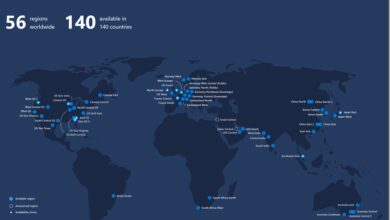
One of msft azure’s strongest advantages is its global footprint. With over 60 regions worldwide — more than any other cloud provider — Azure ensures low-latency access and compliance with local data regulations. These regions are organized into geographic areas such as North America, Europe, Asia Pacific, and Middle East & Africa, each hosting multiple availability zones for high availability and disaster recovery.
For example, Azure’s presence in Germany includes a sovereign cloud operated by Deutsche Telekom, ensuring data sovereignty for German enterprises. Similarly, Azure Government serves U.S. federal, state, and local government agencies with FedRAMP compliance. This global reach makes msft azure ideal for multinational corporations needing consistent performance and regulatory adherence.
Key Benefits of Using msft azure
Organizations adopt msft azure for a variety of strategic reasons. From cost efficiency to advanced AI capabilities, the platform delivers tangible business value across industries. Let’s explore the most compelling benefits that make msft azure a preferred choice for modern IT infrastructure.
Scalability and Flexibility
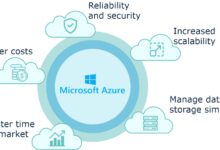
msft azure allows businesses to scale resources up or down based on demand. Whether handling seasonal traffic spikes or launching a new product, Azure’s auto-scaling features ensure optimal performance without over-provisioning. This elasticity reduces costs and improves resource utilization.
For instance, an e-commerce platform can automatically scale web servers during Black Friday sales and scale back afterward. This dynamic adjustment is managed through Azure Monitor and Azure Autoscale, which respond to metrics like CPU usage, memory, and request rates.
Additionally, Azure supports hybrid cloud models, allowing companies to integrate on-premises data centers with cloud environments using Azure Arc and Azure Stack. This flexibility is crucial for organizations undergoing digital transformation without fully migrating legacy systems.
Cost Efficiency and Pricing Models
msft azure offers multiple pricing models to suit different usage patterns: pay-as-you-go, reserved instances, and spot pricing. The pay-as-you-go model charges only for consumed resources, making it ideal for startups and unpredictable workloads.
Reserved instances provide significant discounts (up to 72%) for long-term commitments, while spot pricing allows access to unused capacity at steep discounts (up to 90%), perfect for batch processing and non-critical workloads.
Azure Cost Management + Billing helps organizations track spending, set budgets, and receive alerts when thresholds are exceeded. This transparency empowers IT teams to optimize cloud spend and avoid bill shock.
msft azure vs. Competitors: A Comparative Analysis
While AWS currently leads the cloud market in terms of market share, msft azure has been rapidly closing the gap, especially in enterprise and hybrid cloud adoption. Understanding how msft azure compares to AWS and Google Cloud is essential for making informed decisions.
Market Share and Enterprise Adoption
According to Synergy Research Group, as of Q1 2024, AWS holds about 32% of the global cloud infrastructure market, followed by Microsoft Azure at 23%, and Google Cloud at 11%. However, Azure dominates in enterprise contracts due to its deep integration with Microsoft 365, Active Directory, and Windows Server environments.
Many Fortune 500 companies already use Microsoft products, making the transition to msft azure smoother and less disruptive. This existing ecosystem reduces training costs and accelerates cloud adoption.
For more insights, visit Microsoft Azure’s official site.
Hybrid Cloud Leadership
Where msft azure truly excels is in hybrid cloud capabilities. Azure Arc enables centralized management of servers, Kubernetes clusters, and data services across on-premises, multi-cloud, and edge environments. This unified control plane simplifies operations for IT teams managing complex infrastructures.
In contrast, AWS Outposts and Google Anthos offer similar functionality but lack the same level of integration with enterprise identity and management tools. Azure’s seamless connection with System Center, PowerShell, and Microsoft Endpoint Manager gives it a competitive edge in hybrid scenarios.
Security and Compliance in msft azure
Security is a top priority for any cloud platform, and msft azure invests heavily in protecting customer data. It offers a multi-layered security model that includes physical, network, and application-level protections.
Built-In Security Features
msft azure provides several native security tools, including Azure Security Center (now part of Microsoft Defender for Cloud), Azure Firewall, and Azure DDoS Protection. These services continuously monitor for threats, enforce security policies, and respond to incidents in real time.
Microsoft Defender for Cloud offers unified security management and advanced threat protection across hybrid cloud workloads. It assesses security posture, detects vulnerabilities, and recommends remediation steps. For example, it can identify unpatched virtual machines or misconfigured storage accounts and guide administrators toward best practices.
Azure also supports Zero Trust security principles, requiring strict identity verification for every user and device accessing resources, regardless of location.
Compliance and Certifications
msft azure complies with over 140 international and industry-specific standards, including GDPR, HIPAA, ISO 27001, SOC 1/2/3, and FedRAMP. This extensive compliance portfolio makes it suitable for regulated industries like healthcare, finance, and government.
The Azure Compliance Manager tool helps organizations assess their compliance posture, generate reports, and manage regulatory requirements. It includes pre-built templates for common frameworks and allows customization for specific organizational needs.
Explore Azure’s compliance offerings at Microsoft Learn – Regulatory Compliance.
Innovation and AI Capabilities in msft azure
msft azure is at the forefront of technological innovation, particularly in artificial intelligence (AI), machine learning (ML), and the Internet of Things (IoT). These capabilities empower developers and data scientists to build intelligent applications without deep expertise in AI algorithms.
AI and Machine Learning Services
Azure Machine Learning is a cloud-based environment for training, deploying, and managing ML models. It supports automated ML (AutoML), which simplifies model creation by automatically selecting algorithms and hyperparameters. This accelerates development cycles and democratizes AI for non-experts.
Azure Cognitive Services offer pre-built APIs for vision, speech, language, and decision-making. For example, developers can integrate facial recognition into apps using Computer Vision API or enable natural language understanding with Language Service.
Organizations like BMW and Rolls-Royce use msft azure’s AI tools to optimize manufacturing processes, predict equipment failures, and enhance customer experiences.
IoT and Edge Computing
Azure IoT Hub acts as a central message hub for bi-directional communication between IoT devices and the cloud. It supports millions of devices and ensures secure, reliable messaging even in low-bandwidth environments.
With Azure IoT Edge, businesses can run AI models and data processing directly on edge devices, reducing latency and bandwidth usage. For instance, a smart factory can analyze sensor data locally to detect anomalies in real time without sending all data to the cloud.
This edge-to-cloud architecture is transforming industries like agriculture, logistics, and energy, where timely insights are critical.
Developer Experience and Ecosystem Support
msft azure provides a rich set of tools and services designed to enhance developer productivity. From integrated development environments to DevOps pipelines, Azure supports modern software development practices.
Integration with Development Tools
Azure DevOps offers a suite of services for planning, developing, testing, and deploying applications. It includes Azure Boards for agile project management, Azure Repos for Git-based source control, and Azure Pipelines for CI/CD automation.
Visual Studio and Visual Studio Code have deep integration with msft azure, allowing developers to deploy applications with a few clicks. Extensions like Azure Account and Azure Functions make it easy to manage resources directly from the IDE.
Additionally, GitHub Actions can trigger deployments to Azure, enabling seamless workflows for open-source and enterprise projects.
Open Source and Multi-Language Support
Contrary to the misconception that Azure is only for .NET developers, msft azure fully supports open-source technologies. It runs Linux VMs, hosts Node.js, Python, Java, and PHP applications, and integrates with Kubernetes and Docker.
Azure App Service supports multiple runtime stacks, allowing developers to choose their preferred language and framework. This flexibility attracts a diverse developer community and fosters innovation.
For documentation and SDKs, visit Microsoft Azure Documentation.
Real-World Use Cases of msft azure
msft azure is not just a theoretical platform — it powers real-world solutions across various industries. From healthcare to retail, organizations leverage Azure to solve complex challenges and drive digital transformation.
Healthcare: Enhancing Patient Care
Hospitals and clinics use msft azure to store and analyze electronic health records (EHRs), enable telemedicine, and apply AI to medical imaging. For example, the University of California, San Francisco (UCSF) uses Azure AI to detect brain hemorrhages in CT scans faster than manual review.
Azure Health Data Services provide a compliant environment for aggregating and processing health data, supporting interoperability standards like FHIR (Fast Healthcare Interoperability Resources).
Retail: Personalizing Customer Experiences
Retailers use msft azure to analyze customer behavior, optimize inventory, and deliver personalized recommendations. Walmart, for instance, runs critical workloads on Azure, leveraging its scalability during peak shopping seasons.
Azure Synapse Analytics enables real-time data processing from online transactions, point-of-sale systems, and social media, helping retailers make data-driven decisions.
Manufacturing: Enabling Smart Factories
Manufacturers deploy msft azure to monitor equipment performance, predict maintenance needs, and improve supply chain efficiency. Siemens uses Azure IoT and AI to create digital twins of industrial machines, simulating performance under various conditions.
This predictive maintenance reduces downtime and extends asset life, resulting in significant cost savings.
Learn more about industry solutions at Azure Solutions by Industry.
Getting Started with msft azure
Starting with msft azure is easier than ever. Whether you’re an IT professional, developer, or business leader, Microsoft provides resources to help you begin your cloud journey.
Free Tier and Trial Accounts
msft azure offers a free account that includes $200 in credits for 30 days and access to over 25 always-free services, such as Azure Functions, Blob Storage, and Cosmos DB. This allows users to experiment with core services without financial risk.
The free tier is ideal for learning, testing, and small-scale projects. After the trial, users can upgrade to a pay-as-you-go subscription.
Learning Resources and Certifications
Microsoft Learn is a comprehensive platform offering free, interactive modules on msft azure topics. From foundational concepts to advanced architecture, these courses help users build practical skills.
Azure certifications like AZ-900 (Azure Fundamentals), AZ-104 (Azure Administrator), and AZ-305 (Azure Solutions Architect) are highly valued in the IT job market. Earning these credentials validates expertise and enhances career prospects.
Visit Microsoft Learn to start your learning path.
What is msft azure?
msft azure is Microsoft’s cloud computing platform that provides a wide range of services including virtual machines, storage, databases, AI, and networking. It enables businesses to build, deploy, and manage applications in the cloud with high scalability and security.
How does msft azure compare to AWS?
While AWS leads in market share, msft azure excels in hybrid cloud integration, enterprise adoption, and seamless connectivity with Microsoft products like Office 365 and Active Directory. Azure is often preferred by organizations already invested in the Microsoft ecosystem.
Is msft azure secure?
Yes, msft azure offers robust security features including encryption, identity management, threat detection, and compliance with over 140 standards. Microsoft invests over $1 billion annually in cybersecurity research and development to protect its cloud infrastructure.
Can I use open-source technologies on msft azure?
Absolutely. msft azure supports a wide range of open-source technologies, including Linux, Python, Node.js, Java, Kubernetes, and Docker. Developers can deploy and manage open-source applications just as easily as Microsoft-based ones.
How much does msft azure cost?
msft azure uses a pay-as-you-go pricing model, starting from a few cents per hour for basic services. Costs depend on resource usage, region, and service type. Users can estimate expenses using the Azure Pricing Calculator and manage budgets with Azure Cost Management.
In conclusion, msft azure is more than just a cloud platform — it’s a powerful engine for innovation, security, and digital transformation. With its global infrastructure, hybrid capabilities, AI tools, and enterprise-grade services, it empowers organizations to scale efficiently and securely. Whether you’re a startup or a multinational corporation, msft azure offers the tools and flexibility needed to thrive in today’s digital economy. By leveraging its extensive ecosystem and support resources, businesses can accelerate their cloud journey and unlock new opportunities for growth and innovation.
Further Reading: